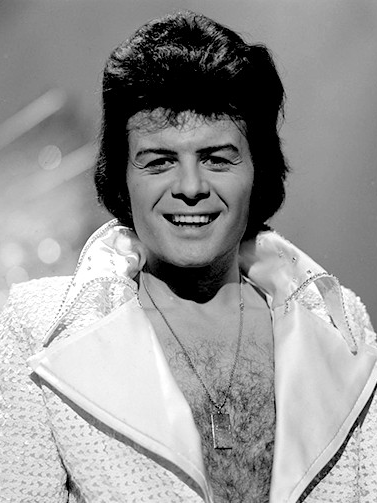
Gary Glitter Back in Jail: Understanding His Swift Return to Custody
The name Gary Glitter, synonymous with scandal and heinous crimes, once again dominates headlines as news confirms his return to prison. For many, the question is immediate and pressing: Is Gary Glitter still in jail? The answer, as of recent reports, is a resounding yes. His brief taste of freedom, lasting just over a month after his early release, was abruptly cut short when authorities recalled him to custody for breaching his strict license conditions. This rapid turnaround highlights the stringent measures in place for high-risk offenders and the unwavering commitment of the justice system to public protection.
The convicted paedophile, whose real name is Paul Gadd, had been serving a 16-year sentence for a litany of sexual offenses against young girls committed decades ago. His initial release, a standard procedure after serving half of a fixed-term sentence, sparked widespread public outcry and concern. His subsequent re-incarceration, while providing a degree of reassurance to the public, also raises important questions about the mechanisms of parole, the nature of license conditions, and the ongoing challenges of monitoring such individuals.
The Short-Lived Freedom: Why Gary Glitter Was Released and Recalled
Gary Glitter was initially sentenced in February 2015 to 16 years behind bars after being found guilty of sexually abusing three young girls between 1975 and 1980. His convictions included attempted rape, four counts of indecent assault, and one count of having sex with a girl under 13. During sentencing, Judge Alistair McCreath starkly noted that he found "no real evidence" that Glitter had atoned for his horrific crimes, a sentiment that resonated deeply with the public.
Despite the severity of his offenses and the public's profound distrust, Glitter was freed from prison in February, having served half of his 16-year term. This early release was not a discretionary decision based on good behaviour or rehabilitation, but rather an automatic process dictated by UK law for offenders serving fixed-term sentences. This statutory provision means that prisoners are automatically released on license once they have served 50% of their sentence, regardless of the nature of their crime, unless they are subject to extended sentences or specific public protection provisions that alter this. The Ministry of Justice confirmed his release would involve "close monitoring" by the police and Probation Service, with a strict set of license conditions attached.
However, this freedom proved fleeting. Just one month later, reports confirmed that Glitter had been recalled to prison for breaching those very conditions. While the precise nature of the breach has not been publicly disclosed by authorities – a common practice to protect ongoing investigations and the privacy of any individuals involved – the swiftness of his return underscores the gravity with which such violations are treated. A Ministry of Justice spokesperson reiterated the paramount importance of public safety: "Protecting the public is our number one priority. That’s why we set tough license conditions and when offenders breach them, we don’t hesitate to return them to custody." This firm stance serves as a critical deterrent and a mechanism for immediate intervention when risks emerge. For more details on his rapid return, you can read more here: Glitter's Short-Lived Freedom: Why He's Back Behind Bars.
The Power of Parole: Understanding License Conditions for High-Risk Offenders
The concept of "license conditions" is central to the monitoring and management of offenders released from prison, particularly those deemed high-risk. These conditions are not mere suggestions; they are legally binding rules designed to mitigate the risk of reoffending and ensure public safety. For individuals like Gary Glitter, who pose a significant threat, these conditions are often exceptionally stringent and comprehensive.
Common Types of License Conditions:
- Residency Requirements: Offenders may be required to live at a specific approved address, such as a probation hostel.
- Reporting to Probation: Regular, often frequent, meetings with a probation officer are mandatory to review their activities and compliance.
- Contact Prohibitions: Strict bans on contacting or associating with certain individuals (e.g., victims, children) or groups.
- Geographical Exclusions: Restrictions on entering specific areas, particularly those frequented by children, or known to be relevant to their past offenses.
- Electronic Monitoring: Tagging (e.g., GPS ankle tags) to track their movements and ensure compliance with curfews or exclusion zones.
- Therapy and Rehabilitation Programs: Mandatory participation in treatment programs aimed at addressing the root causes of their offending behaviour.
- Restrictions on Internet Access and Device Ownership: For sex offenders, strict monitoring or prohibition of internet-enabled devices is common.
Any failure to adhere to these conditions, no matter how seemingly minor, can trigger an immediate recall to prison. The Probation Service and police work in tandem to monitor compliance, and their primary directive is the protection of the public. The swiftness of Glitter's recall demonstrates that these systems are actively enforced, providing a vital layer of security against those who violate the trust placed in their conditional release.
Public Outcry, Media Scrutiny, and the Justice System's Balancing Act
The case of Gary Glitter is a stark reminder of the intense public scrutiny and emotional response that follows the release of high-profile, convicted sex offenders. Upon his initial release, reports indicated that a crowd of protestors gathered outside his bail hotel in Hampshire, highlighting the profound anger and fear that his presence in the community evoked. This public vigilance, while sometimes challenging to manage for authorities, underscores the collective demand for safety and accountability.
The justice system operates on a delicate balance: upholding the rule of law, which includes statutory release provisions, while simultaneously ensuring the highest possible level of public protection. For offenders like Glitter, this balancing act is particularly fraught. The Ministry of Justice and the Probation Service face the monumental task of monitoring individuals who have committed abhorrent crimes, under conditions that are designed to be robust but are ultimately reliant on compliance and effective oversight. The recall mechanism is therefore a crucial safety net, allowing authorities to act decisively when that balance is threatened. For additional context on the public reaction and the system's response, you can refer to: Gary Glitter Jailed Again Just One Month After Early Release.
The media's role in such cases is also significant, as constant coverage keeps the public informed and exerts pressure on the system to remain vigilant. While the specific details of a breach are often kept confidential for legal and operational reasons, the public announcement of a recall sends a clear message: the system is working to protect vulnerable individuals, and breaches of trust will not be tolerated.
The Implications for the Future: Is Gary Glitter Still In Jail?
To reiterate, yes, Gary Glitter is currently back in jail. His return to custody means he faces a period of re-evaluation by the Parole Board, which will determine his future. This could involve a review of his suitability for release, the imposition of even stricter conditions should he ever be considered for release again, or a decision for him to serve a much longer period, potentially the remainder of his original 16-year sentence, behind bars. The specific reasons for his breach will be thoroughly investigated and will weigh heavily on any future decisions.
The swift recall serves as a powerful testament to the UK's robust system of managing high-risk offenders on license. It demonstrates that the Probation Service and police are actively monitoring compliance and are prepared to act decisively when conditions are violated, prioritizing public safety above all else. For victims and the wider public, this immediate action provides a measure of reassurance that individuals who pose an ongoing threat will not be allowed to remain at large if they fail to adhere to the strict terms of their release.
In conclusion, Gary Glitter's return to prison just weeks after his early release underscores the serious nature of license conditions and the justice system's commitment to public protection. While the full details of his breach remain undisclosed, his re-incarceration confirms that any deviation from the strict rules set for high-risk offenders will lead to an immediate return to custody. As the public continues to grapple with the complexities of managing such offenders, the reaffirmation that Gary Glitter is still in jail provides a stark reminder of the ongoing vigilance required to safeguard our communities.