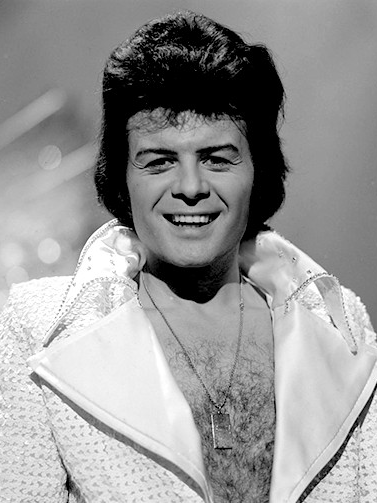
Gary Glitter Jailed Again Just One Month After Early Release: The Swift Return to Custody
The name Gary Glitter has long been synonymous with notoriety and grave offenses. For many, the question, "Is Gary Glitter still in jail?" is one that has lingered over the years, a testament to the profound impact of his crimes. Just when it seemed the disgraced singer, whose real name is Paul Gadd, might navigate the complexities of life outside prison walls, news broke of his swift return to custody. Barely a month after his early release, Glitter found himself back behind bars, reigniting public scrutiny and reaffirming the stringent conditions placed upon high-risk offenders. This article delves into the circumstances surrounding his re-imprisonment, the strictures of his release, and what this development signifies for public safety and the justice system.
A Short-Lived Freedom: From Conviction to Recall
Gary Glitter's history is one marred by heinous crimes. In February 2015, he was sentenced to 16 years in prison for a series of sexual offenses against three young girls, which occurred between 1975 and 1980. His convictions included attempted rape, four counts of indecent assault, and one count of having sex with a girl under the age of 13. During his sentencing, Judge Alistair McCreath starkly noted that he found "no real evidence" that Glitter had truly atoned for his appalling crimes, a sentiment that resonated deeply with the public.
Under the terms of his sentence, Glitter became eligible for automatic release after serving half of his 16-year term. This fixed-term sentence provision led to his release in February, prompting widespread concern and a sharp focus on the monitoring mechanisms put in place. The Ministry of Justice and Probation Service were quick to assure the public that Glitter would be "closely monitored" by both police and probation officials, subject to a robust set of license conditions designed to protect the public. However, this period of freedom was remarkably brief, lasting just four weeks before he was recalled to prison for breaching those very conditions. The rapid turnaround underscores the immense challenges and responsibilities involved in managing high-profile, high-risk offenders in the community.
While the specific details of Glitter’s breach have not been publicly disclosed, the timing of his recall suggests a swift and decisive response from authorities. Reports indicated that a few days after his release, police were called to a disturbance at his bail hotel in Hampshire, where a crowd of protesters had gathered outside the property. While this specific incident wasn't explicitly named as the breach, it highlighted the intense public scrutiny and the volatile environment surrounding his release. The prompt action by the Probation Service reinforced their stated commitment: "Protecting the public is our number one priority. That’s why we set tough licence conditions and when offenders breach them, we don’t hesitate to return them to custody." This statement serves as a clear message that the system is equipped and prepared to act decisively when conditions are not met, particularly for those deemed a significant risk. For more details on the initial events leading to his return, you might find
Gary Glitter Back in Jail: What We Know About His Return informative.
Understanding License Conditions and the Recall Process
The concept of "license conditions" is central to the managed release of prisoners in the UK, particularly those who have committed serious offenses. These conditions are a critical component of public protection, designed to minimise the risk an offender poses to the community upon their reintegration. For individuals like Gary Glitter, deemed high-risk due to the nature and severity of their crimes, these conditions are exceptionally stringent and multifaceted.
Common license conditions can include:
- Residency Requirements: Offenders must reside at an approved address, often a probation hostel, and are subject to curfews.
- Contact Restrictions: Prohibitions on contacting victims, their families, or specific groups of individuals (e.g., children).
- Geographical Exclusions: Banning offenders from certain areas, such as schools, parks, or specific residential zones.
- Reporting Requirements: Mandatory regular meetings with probation officers, sometimes daily or multiple times a week.
- Substance Abuse Testing: Requirements to undergo drug and alcohol tests.
- Electronic Monitoring: Tagging to track movements and enforce curfews.
- Internet and Technology Restrictions: Limitations or prohibitions on internet use, access to social media, or specific devices, especially relevant for those convicted of online offenses or those involving exploitation.
- Treatment Programs: Compulsory participation in rehabilitation programs or therapy sessions aimed at addressing their offending behaviour.
Any deviation from these conditions, no matter how minor it might seem to an outsider, can constitute a breach. The decision to recall an offender is not taken lightly; it involves a rigorous assessment by the Probation Service, often in consultation with the police. Their primary goal is always to protect the public. If there is reasonable suspicion that an offender has breached their license conditions and that this breach increases the risk they pose to the public, a recall order can be issued. This immediate return to prison is a preventative measure, allowing authorities to reassess the individual's risk and determine the appropriate next steps.
The promptness of Gary Glitter's recall highlights the proactive stance taken by authorities in managing high-risk individuals. The system is designed to act swiftly when conditions are compromised, ensuring that public safety remains paramount. The lack of detailed public information regarding the specific breach is also typical in such cases, often due to privacy considerations and ongoing investigations, but it doesn't diminish the seriousness of the action taken. This mechanism provides a vital safeguard against potential re-offending and reassures the public that monitoring is active and decisive.
Looking Ahead: What Happens Next? Is Gary Glitter Still In Jail?
So, to answer the pressing question, "Is Gary Glitter still in jail?" –
Yes, he is. Following his recall, Gary Glitter remains in custody. His re-imprisonment triggers a formal review process. When an offender is recalled, they are typically held until the Parole Board reviews their case. This review assesses whether the individual can be safely managed in the community again, potentially under new or stricter conditions, or if they must serve the remainder of their sentence in prison. The Parole Board will consider all available evidence, including the nature of the breach, reports from the Probation Service and police, and any changes in the offender's risk assessment.
For someone like Glitter, given the public outcry, the nature of his crimes, and the swiftness of his breach, it is highly likely that the Parole Board will exercise extreme caution. There will be intense scrutiny on any future decisions regarding his release. The initial judgment noted his lack of atonement, a factor that will undoubtedly weigh heavily in any new assessment. It is plausible that he may remain in custody for a significant portion, if not the entirety, of the remainder of his 16-year sentence, which would have ended in 2031. The focus will remain firmly on public protection, making any subsequent release incredibly challenging and unlikely without a compelling and independently verifiable reduction in his risk profile. For a deeper dive into the reasons behind his quick return, refer to
Glitter's Short-Lived Freedom: Why He's Back Behind Bars.
The ongoing saga of Gary Glitter serves as a stark reminder of the complexities involved in the criminal justice system's efforts to balance rehabilitation with the overriding imperative of public safety. His case illustrates how stringent license conditions are fundamental to managing high-risk offenders and that breaches are met with swift and decisive action. The continuous vigilance required to ensure such individuals pose no further threat to society is an immense undertaking, and the system's ability to recall and re-incarcerate demonstrates its ultimate commitment to protecting vulnerable populations.
Conclusion
The re-imprisonment of Gary Glitter just one month after his early release has once again brought the critical issue of offender management and public safety into sharp focus. His swift return to custody for breaching his license conditions underscores the robust measures put in place by the Ministry of Justice and Probation Service to monitor high-risk individuals. The answer to "Is Gary Glitter still in jail?" is a resounding yes, and it highlights the zero-tolerance approach taken when conditions designed for public protection are violated. This incident serves as a clear message that the justice system, while aiming for rehabilitation, prioritises the safety and well-being of the community above all else, especially when dealing with offenders whose crimes have left such an indelible mark on society. The public can expect continued vigilance and decisive action from authorities in managing such cases, ensuring that those who pose a risk are kept behind bars.